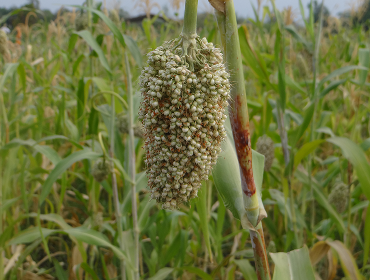
Natural Farming
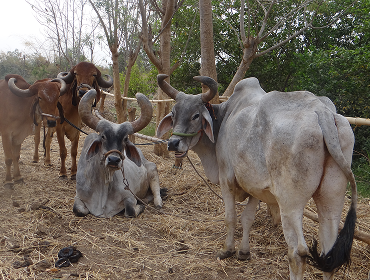
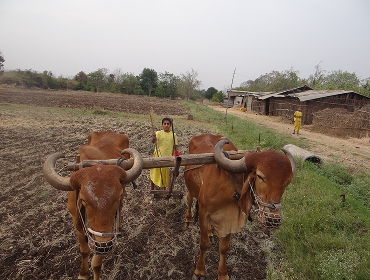
Oxen-Powered Ploughing
Instead of tractors, oxen are used for ploughing, reducing fossil fuel dependence and preserving soil health.

Natural Fertilization
Cow dung manure and Jivamrita are used to nourish plants, avoiding synthetic chemicals and enhancing soil fertility.
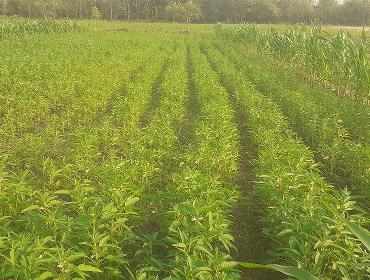
Manual Weeding
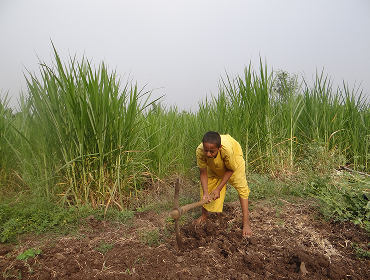
Weeding is done by hand instead of using herbicides, promoting biodiversity and providing employment to nearby villagers.
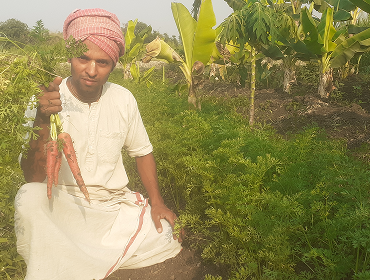
Diverse Crop Cultivation
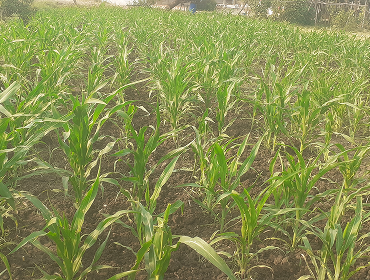
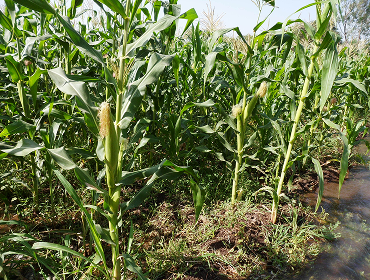
A variety of grains, pulses, spices, cereals, vegetables, and fruits are grown to sustain the resident members.
Eco-Friendly & Community-Oriented
The agricultural practices support local employment, environmental sustainability, and self-sufficiency.
Tractors Replace Bulls, Leading to Slaughter
As tractors take over ploughing, bulls become "useless" for farming and are often sent to slaughterhouses.

Soil Degradation from Tractors
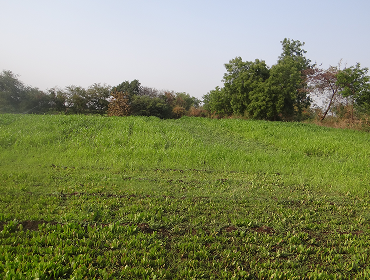
Over time, tractor use compacts the soil, reducing aeration and making the land less fertile.
Decline in Earthworm Population
The heavy weight of tractors crushes earthworms and disrupts soil biodiversity, affecting natural soil health.
Carbon Emissions vs. Eco-Friendly Bulls
Tractors burn fossil fuels and emit carbon, contributing to pollution, whereas bulls are a natural and sustainable alternative.
Preference for Indigenous Seeds
We prioritize traditional, indigenous seeds over genetically modified ones, preserving biodiversity and natural crop resilience.